Entrepreneur Resources Your source for small business information
Key Takeaways
- HR leaders play a pivotal role in driving organizational transformation and cultivating a resilient, people-centered culture.
- Incorporating artificial intelligence (AI) and analytics is fundamental to modern HR strategy.
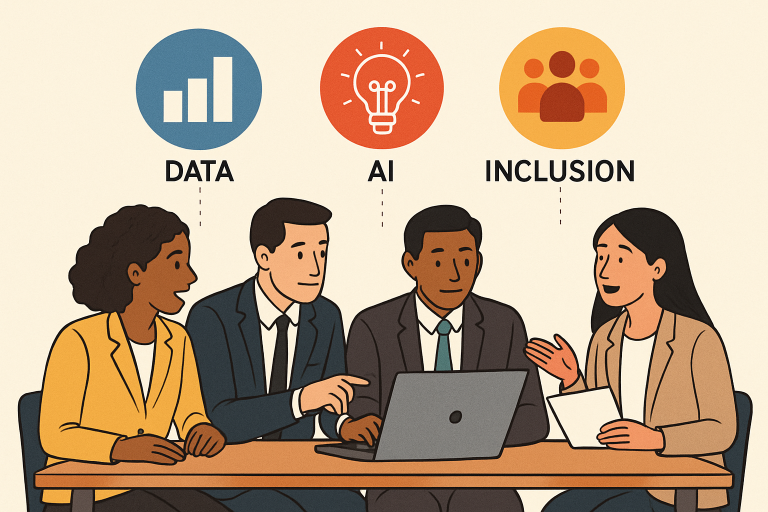
- Emotional intelligence and DEI initiatives are pillars of effective leadership and high-performing teams.
In today’s rapidly evolving business environment, the responsibilities of Human Resources (HR) leaders extend far beyond basic personnel management. They now hold the keys to organizational growth and transformation, working hand-in-hand with executive teams to navigate change, foster innovation, and build cultures rooted in resilience and adaptability.
Modern HR executives are expected to bring a blend of business strategy, emotional intelligence, and technological savvy to the table. They create people-centric cultures, lead data-driven transformation, and ensure inclusivity is a core organizational value. Their contributions increasingly shape not just company culture, but also business performance and competitiveness in the market.
The Strategic Role of HR Leaders
HR leaders today serve as strategic partners who guide organizational transformation and capability building. No longer limited to administrative tasks, they shepherd change management, develop succession plans, and ensure talent strategies are fully aligned with business objectives. This expanded influence underscores the necessity for HR professionals to cultivate leadership and agility, positioning themselves as architects of company culture and vision. For those seeking to strengthen these skills, pursuing an online MBA HR degree—such as the program offered by Youngstown State University—can provide advanced knowledge in strategic decision-making and organizational leadership. The strategic presence of HR at the leadership table is now fundamental to resiliency and business success.
Embracing AI in HR Practices
Technological disruption is reshaping HR as automation and AI migrate into every aspect of the employee lifecycle. AI-driven tools streamline talent acquisition by automating screening processes, reducing biases through data consistency, and enhancing onboarding with interactive learning solutions. This digital revolution enables HR leaders to focus more energy on relationship building and complex problem-solving, while delivering precise solutions through data analytics and automation. Adopting these tools equips organizations to be both efficient and responsive in an increasingly dynamic market.
Data-Driven Decision Making
The proliferation of data within the HR function enables more strategic workforce planning and performance management. Real-time dashboards and predictive analytics enable HR leaders to anticipate skill shortages, support effective retention strategies, and monitor employee engagement with remarkable precision. Decision-makers use these insights to create targeted interventions, quantify the ROI of HR initiatives, and forecast future trends. This reliance on robust analytics is quickly becoming non-negotiable, as data-driven HR decisions drive business results more effectively than instinct alone.
Emotional Intelligence in Leadership
High emotional intelligence (EI) is what distinguishes exceptional HR leaders. EI empowers them to interpret and manage their own emotions while understanding the perspectives and motivations of others. This capability is paramount when resolving workplace conflicts, championing change initiatives, and cultivating an environment where employees feel seen and valued. Research cited in the McKinsey Report underscores the influence of emotionally intelligent leadership on team cohesion and innovation.
Promoting Diversity, Equity, and Inclusion
Modern HR leadership prioritizes DEI as an ongoing cultural commitment, not a short-term program. Leaders weave DEI into the organization’s fabric—impacting recruitment, advancement, governance, and employee engagement. Transparency is crucial, as best-in-class HR teams regularly report DEI metrics alongside financial KPIs. Doing so drives executive accountability and integrates inclusion into core strategy, ensuring equity remains at the heart of decision-making.
Building a Future-Ready Culture
Future-ready cultures thrive on adaptability, innovation, and continuous learning. HR leaders are tasked with embedding these values through new technology, upskilling initiatives, and a “learn-by-doing” environment that encourages risk-taking and learning. As digital skills gaps widen, they empower employees to adopt foundational AI skills and identify new use cases, ensuring the organization remains competitive and agile. By championing a culture of curiosity and resilience, HR lays the groundwork for ongoing transformation and employee fulfillment.
HR as the CEO’s Trusted Advisor
Truly influential HR leaders become the eyes and ears of the CEO, serving as trusted advisors with a direct line to leadership. They facilitate honest feedback loops, elevate people-related insights, and shape executive decisions based on real employee experience data. Maintaining a transparent and regular cadence between HR and the C-suite enables organizations to proactively address concerns, mitigate risks, and optimize leadership effectiveness. This advisory relationship underpins a healthy, high-performing corporate ecosystem.
Conclusion
HR leaders today are at the center of business transformation. By embracing AI, leveraging data analytics, demonstrating emotional intelligence, and embedding DEI, they empower organizations to thrive in a complex and competitive world. As businesses continue to evolve, the strategic influence of HR will only increase, making it vital for rising leaders to invest in advanced HR education and leadership development.