Entrepreneur Resources Your source for small business information
The Administrative Side of Ownership: Registration and Paperwork
 Owning a vehicle offers incredible freedom and convenience. Yet, it also brings responsibilities that go far beyond the initial purchase. To truly enjoy our vehicles, we need to understand the many ways to support their ownership.
This support is crucial for managing our cars effectively. It helps us keep them safe, reliable, and legally compliant throughout their entire life. From navigating paperwork to ensuring prompt assistance when we’re on the road, comprehensive Vehicle ownership support can make all the difference.
In this guide, we will explore the main pillars of vehicle ownership support. We will look at:
Our aim is to empower you with the knowledge to confidently manage every part of your vehicle ownership journey.
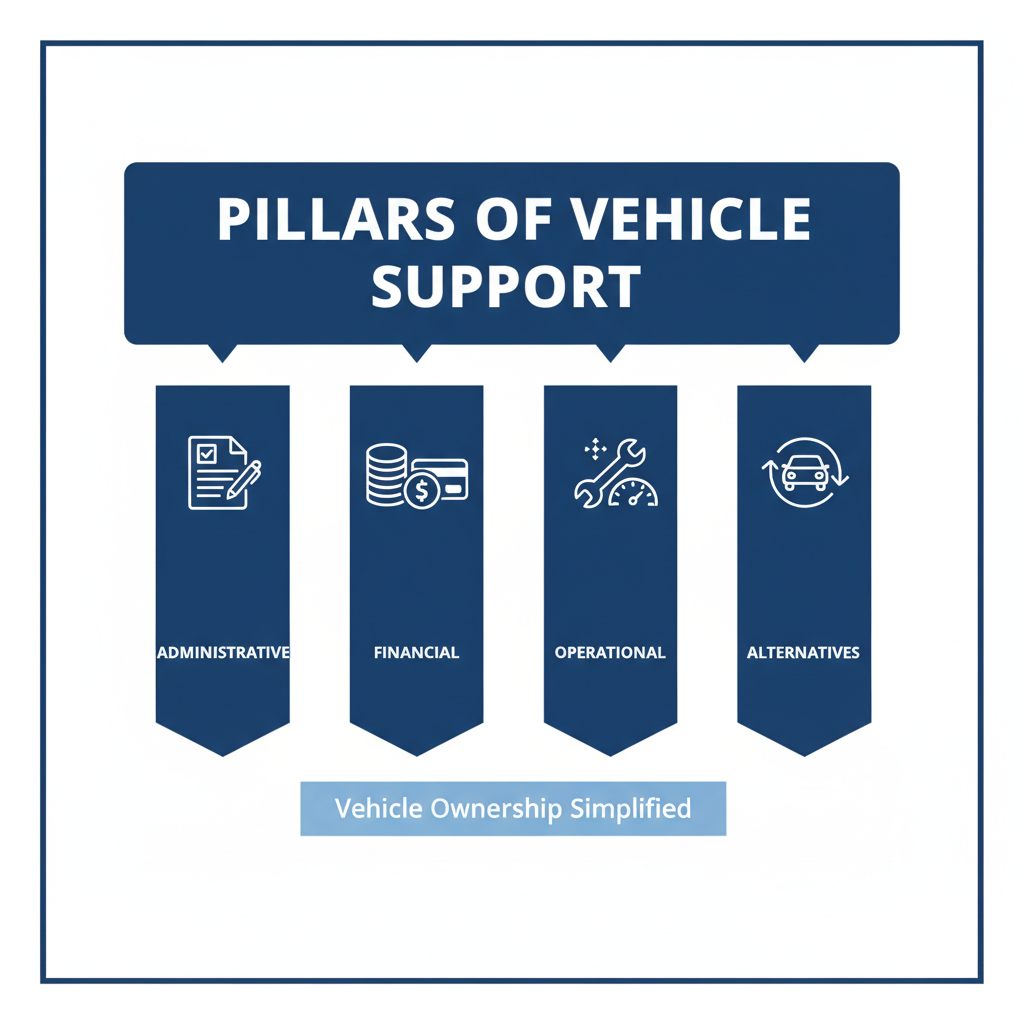
The journey of vehicle ownership begins and continues with a series of administrative tasks that ensure our vehicles are legally recognized and properly managed. These tasks, while sometimes tedious, are fundamental to responsible ownership and can prevent significant headaches down the road. They include everything from the initial title transfer and vehicle registration to updating personal information or ownership details with the manufacturer.
For instance, when we acquire a vehicle, whether new or used, the process of title transfer is paramount. This legal step officially moves the ownership from the seller to us, the buyer. Simultaneously, registering the vehicle with the appropriate government agency makes it road-legal. Many jurisdictions, recognizing the need for efficiency, have introduced online processes to streamline these procedures. A prime example is the SAAQclic platform, which allows for the online transfer or registration of a used vehicle, often eliminating the need for in-person visits to a service outlet. Such digital solutions are changing how we interact with motor vehicle departments.
Beyond government agencies, communicating effectively with the vehicle manufacturer is also a key administrative aspect. This involves keeping our contact information, such as address, and ownership details updated directly with them. This ensures we receive important recalls, service notifications, and other critical communications regarding our vehicle. For example, Toyota and Scion owners can update their address or ownership information via online forms or by calling their Customer Assistance Centre, ensuring their records are accurate. Knowing where to find our Vehicle Identification Number (VIN) – a unique 17-digit identifier found on documents like proof of insurance, registration, or on the vehicle itself (dashboard or driver’s door pillar) – is crucial for these updates. Local motor vehicle departments, like the Motor Vehicle – Title & Registration – City and County of Denver, provide comprehensive guides on these processes.
Changing Vehicle Ownership or Address
Changing vehicle ownership or updating our address are common administrative tasks that require specific information and adherence to established procedures. When we change our address, it’s not enough to simply update our driver’s license; we must also inform the Department of Motor Vehicles (DMV) or equivalent agency to ensure our vehicle registration records are current. This is vital for receiving renewal notices, tax information, and other legal documents.
For a change of vehicle ownership, the information needed typically includes the vehicle’s title, a bill of sale, an accurate odometer reading, and identification details for both the buyer and seller. Depending on the jurisdiction, additional state-specific forms may be required. Proof of insurance is also often a prerequisite for completing the registration in the new owner’s name. Online forms and manufacturer portals offer convenient ways to submit these changes, but ensure all necessary documentation is prepared beforehand. For detailed guidance on these steps, resources like the Title transfer and vehicle registration – State of Michigan can be invaluable, outlining the specific requirements for their state.
Finding Information on Orders and Delivery
For those awaiting a new vehicle, or with questions about a recent purchase, accessing accurate information about orders and delivery is crucial. Manufacturers typically offer various support channels to keep customers informed. These can range from dedicated customer service hotlines to sophisticated online dashboards that track the vehicle’s production and shipping status in real-time.
For example, many brands provide a personalized online portal where we can log in to view our order details, estimated delivery dates, and even specifications of our vehicle. The Mopar ecosystem, for instance, provides a comprehensive owner’s companion app and a custom vehicle dashboard for Chrysler, Jeep, Dodge, and Ram owners. These platforms serve as a central hub for owner’s manuals, warranty information, and service scheduling, offering a personalized experience. Similarly, for Ford owners in Canada, the Contact Us – Ford Canada page illustrates the array of options available, from chat support for vehicle features to dedicated phone lines for specific inquiries like financing or roadside assistance. These resources ensure that answers to questions about our vehicle order, delivery, or general ownership are readily accessible.
Understanding the Financials: Costs, Insurance, and Assistance
Beyond the initial purchase price, vehicle ownership involves a spectrum of ongoing financial commitments. Understanding these costs is crucial for effective budgeting and ensuring the long-term viability of our vehicle. The total cost of ownership (TCO) encompasses both fixed and variable expenses, which can fluctuate based on usage, location, and vehicle type.
Fixed costs include items such as insurance premiums, license and registration fees, taxes, and perhaps most significantly, depreciation. Depreciation, the loss of a vehicle’s value over time, often represents a substantial portion of the TCO. Finance charges, if the vehicle is purchased with a loan, also fall into this category. Variable costs, on the other hand, are directly tied to how much we drive. These typically include fuel, routine maintenance, and tire replacements. The U.S. Department of Transportation provides valuable data on the Average Cost of Owning and Operating an Automobile, which highlights these components. Organizations like the American Automobile Association (AAA) also regularly publish comprehensive data on driving costs, offering insights into the financial landscape of car ownership.

Registering and Insuring Your Vehicle
Registering and insuring our vehicles are not just financial considerations but legal necessities in most places. Registration involves formally recording our vehicle with the state or provincial government, typically requiring an annual renewal and payment of associated fees and taxes. This process ensures our vehicle meets safety and emissions standards and allows it to be legally operated on public roads.
Equally important is vehicle insurance, which protects us financially against accidents, theft, and other unforeseen events. There are various types of insurance policies, from basic liability coverage (often legally mandated) to comprehensive and collision coverage, which offer broader protection. Choosing the right coverage involves assessing our risk tolerance, the value of our vehicle, and our budget. Resources like New Zealand’s Consumer Protection offer guidance on Paying for, registering and insuring your car, emphasizing the importance of understanding sales contracts, financing options, and insurance policies to protect ourselves as consumers. We can often reduce insurance costs by maintaining a good driving record, opting for higher deductibles, bundling policies, and inquiring about discounts for vehicle safety features or low mileage.
Financial Assistance Programs for Vehicle Ownership Support
For many, the financial burden of vehicle ownership, especially for cleaner, more environmentally friendly models, can be prohibitive. Recognizing this, various government and non-profit organizations offer financial assistance programs designed to make vehicle ownership more accessible, particularly for lower-income individuals. These programs often aim to promote the adoption of cleaner vehicles, improving air quality and reducing carbon emissions.
A notable example is the Driving Clean Assistance Program (DCAP) in California. This program provides education, funding, financial counseling, and referrals to lenders for eligible Californians. DCAP supports the recycling of older, high-polluting vehicles and facilitates the purchase or lease of new, cleaner ones. To qualify, applicants must typically be California residents and income-qualified, often meaning their household income is at or below a certain percentage of the Federal Poverty Level (FPL), such as 300%.
The process often involves two pathways: Clean Cars 4 All (CC4A), where an older vehicle is retired in exchange for assistance towards a new clean vehicle, or Financing Assistance, for those without a vehicle to retire. Eligible clean vehicles typically include:
These programs not only offer grants for the vehicle itself but may also provide support for charging infrastructure or adaptive equipment. The Driving Clean Assistance Program (DCAP) Consumer Guide offers a comprehensive overview of the funding, eligibility, and application process, detailing how individuals can transition to a cleaner vehicle with financial support.
Comprehensive Vehicle Ownership Support on the Road
Once we’ve steerd the administrative and financial aspects, the day-to-day reality of vehicle ownership centers on operational needs. This involves everything from routine maintenance to handling unexpected breakdowns. Proactive management of these aspects ensures our vehicle remains reliable and safe for daily use.
Regular vehicle maintenance is paramount. This includes adhering to manufacturer-recommended service schedules, which typically involve oil changes, tire rotations, brake inspections, and fluid checks. Keeping up with these tasks not only extends the life of our vehicle but also helps maintain its performance and fuel efficiency. Owner’s manuals are invaluable resources for understanding these schedules and specific vehicle requirements. Many modern vehicles also come equipped with digital dashboards and companion apps that provide maintenance reminders and vehicle health reports. For comprehensive guidance on car ownership and maintenance, resources like Car ownership and maintenance | Drive offer practical advice on keeping our vehicles in top condition.
Finding Maintenance and Repair Information
When it comes to vehicle maintenance and repair, having access to accurate and reliable information is key. Manufacturers are often the best source, providing detailed owner’s manuals that cover everything from basic operation to troubleshooting minor issues. Beyond the physical manual, many brands offer extensive online resources, including digital versions of manuals, how-to videos, and FAQs that address common concerns.
For example, Mopar, the parts and service arm for Chrysler, Dodge, Jeep, and Ram vehicles, offers a wealth of online resources. Their website allows owners to Shop Parts & Accessories, find information on dashboard warning lights, learn about smartphone pairing, and even purchase EV chargers. This centralized access to parts and information simplifies the process of maintaining and customizing our vehicles. Additionally, many independent repair shops and organizations, like SparkHope Automotive, provide programs and resources aimed at helping vehicle owners understand and manage their repair needs, often offering educational workshops or assistance for those facing financial hardship, as seen on Programs – SparkHope Automotive – Hands of The Carpenter. When a repair is needed, finding a trusted mechanic who is knowledgeable about our specific vehicle make and model is crucial for ensuring quality service.
Roadside Assistance: Critical Vehicle Ownership Support
Despite our best efforts in maintenance, breakdowns can and do happen. This is where roadside assistance becomes an invaluable component of vehicle ownership support. Roadside assistance programs offer a safety net, providing 24/7 availability for a range of emergencies that can leave us stranded.
Typical services include towing, flat tire changes, jump-starts for dead batteries, lockout assistance, and fuel delivery if we run out of gas. Many vehicle manufacturers, such as Ford, offer their own roadside assistance programs, providing peace of mind to their owners. Ford owners, for instance, can access support via ford.roadsideaid.com or a dedicated toll-free number. Beyond manufacturer programs, many insurance providers, auto clubs, and independent towing companies offer similar services.
It’s also important to know what to do if our vehicle is towed by a law enforcement agency. This can happen for various reasons, such as parking violations, accidents, or impoundment. In such situations, we typically need to contact the law enforcement agency first to determine where our vehicle was taken and what steps are required for its release. Costs for law enforcement-ordered tows can be significant, including towing fees, daily storage charges, and administrative fees, making prompt action essential to minimize expenses.
Exploring Alternatives: The Rise of Car Clubs
For many, traditional private car ownership is becoming less appealing due to rising costs, environmental concerns, and the complexities of maintenance and parking. This has led to the growing popularity of car clubs as a viable alternative. Car clubs offer the convenience of vehicle access without the full financial and administrative burden of ownership.
The benefits of car clubs are multifaceted. They often prove to be more cost-effective for individuals who don’t drive frequently, as members typically pay for vehicle use only when they need it, avoiding costs like insurance, maintenance, and depreciation. From an environmental perspective, car clubs contribute significantly to sustainability. As noted by CoMoUK’s 2021 summary report, the average car club vehicle produces 27% less emissions than the average privately owned vehicle. This is largely because car club fleets are generally newer, more fuel-efficient, and increasingly include electric vehicles. Furthermore, statistics show that each car club vehicle in the UK can replace around 22 private cars, reducing overall traffic congestion and demand for parking. Car club users often drive significantly fewer miles per year and are more likely to use public transport or active travel, further promoting sustainable mobility.
Types of Car Clubs and Their Benefits
Car clubs come in various forms, each catering to different needs and preferences:
The benefits of joining a car club extend beyond cost savings and environmental impact. They offer flexibility, with vehicles often available 24/7 in convenient locations. They also reduce the stress associated with car ownership, such as finding parking, dealing with repairs, and managing insurance. The UK government’s now [Withdrawn] Car clubs: local authority toolkit highlighted these advantages, emphasizing how car clubs support broader transport and environmental goals.
Key benefits include:
How Local Authorities Support Car Clubs
Local authorities play a crucial role in promoting and supporting car clubs, recognizing their potential to contribute to urban planning, environmental goals, and sustainable transport networks. Their involvement can significantly impact the success and expansion of car club schemes.
One primary way local authorities provide support is through procurement, where they partner with car club operators to establish services within their jurisdiction. This often involves setting criteria for fleet composition, such as requiring a certain percentage of electric vehicles, as detailed in guidance on car club procurement. Authorities can also provide access to dedicated parking bays, sometimes through amending traffic regulation orders, which ensures car club vehicles are conveniently located for users. Furthermore, with the rise of electric vehicles, supporting EV charging infrastructure for car club fleets is becoming essential. This might involve installing chargepoints in designated bays or collaborating with chargepoint operators.
Beyond direct logistical support, local authorities engage with various stakeholders – council teams, communities, and businesses – to integrate car clubs into the wider transport strategy. They can also mandate or encourage the inclusion of car clubs in new developments, particularly housing schemes, to support “low car neighbourhoods” and reduce the need for extensive private parking. Some councils even offer incentives like “mobility credits” to residents who scrap older, polluting cars in favor of sustainable transport options, including car club memberships. Organizations like CoMoUK serve as accrediting bodies, ensuring car club operators meet certain standards, and provide extensive guidance for local authorities on how to effectively implement and manage these programs.
Frequently Asked Questions about Vehicle Ownership
Navigating the complexities of vehicle ownership can raise numerous questions. Here, we address some of the most common inquiries to provide clarity and guidance.
What information is needed to change vehicle ownership?
To legally change vehicle ownership, several key pieces of information and documents are typically required. These generally include:
For specific requirements in your area, it’s always best to consult your local DMV or motor vehicle department, such as the Motor Vehicle | City and County of Broomfield – Official Website, which provides details on title and registration processes.
What are the average costs of owning a car?
The average costs of owning a car can vary significantly based on vehicle type, location, and driving habits. However, we can break down the typical components:
According to data from organizations like AAA (American Automobile Association), these costs, when combined, can amount to several thousand dollars annually. Their “Your Driving Costs Fact Sheet,” available at newsroom.aaa.com/asset/your-driving-costs-fact-sheet-december-2020/, provides a detailed breakdown of these expenses.
How do I get help if my car breaks down on the road?
If your car breaks down, there are several reliable options for assistance:
When contacting any service, be prepared to provide your exact location, a description of the problem, and your vehicle’s make, model, and year.
Conclusion
Vehicle ownership is a significant responsibility, but it doesn’t have to be overwhelming. By understanding the various facets of vehicle ownership support, we can empower ourselves to manage our vehicles proactively and efficiently. From navigating the essential administrative tasks of registration and ownership changes to prudently managing the financial implications of costs and insurance, preparedness is key.
Moreover, knowing where to find comprehensive support for maintenance, repairs, and critical roadside assistance ensures our safety and peace of mind on the road. And as society evolves, exploring alternatives like car clubs offers innovative and sustainable ways to meet our transportation needs. By utilizing the myriad of resources and support systems available, we can ensure our vehicle ownership experience is as smooth, safe, and enjoyable as possible, allowing us to fully accept the freedom our vehicles provide.