Entrepreneur Resources Your source for small business information
In today’s fast-moving digital environment, a single social post, online review, or internal document can capture public attention in a matter of hours. As a result, Human Resources plays an increasingly important role in protecting an organization’s reputation. Negative exposure does not only affect revenue or investor confidence. It also shapes employee morale, hiring outcomes, and long-term retention. As leaders responsible for culture and workforce engagement, HR professionals can no longer afford to stay on the sidelines when public perception is at stake.
Media monitoring was once handled primarily by public relations teams, but it has become a valuable strategic tool for HR as well. Tracking how a company is mentioned across news outlets, social media platforms, and review sites allows HR teams to identify reputational risks early, support crisis response efforts, and reinforce a strong employer brand.
Why Media Monitoring Matters to HR
When public sentiment turns unfavorable, the impact reaches every part of the organization. HR often feels those effects first and most directly. Research highlights just how influential reputation can be:
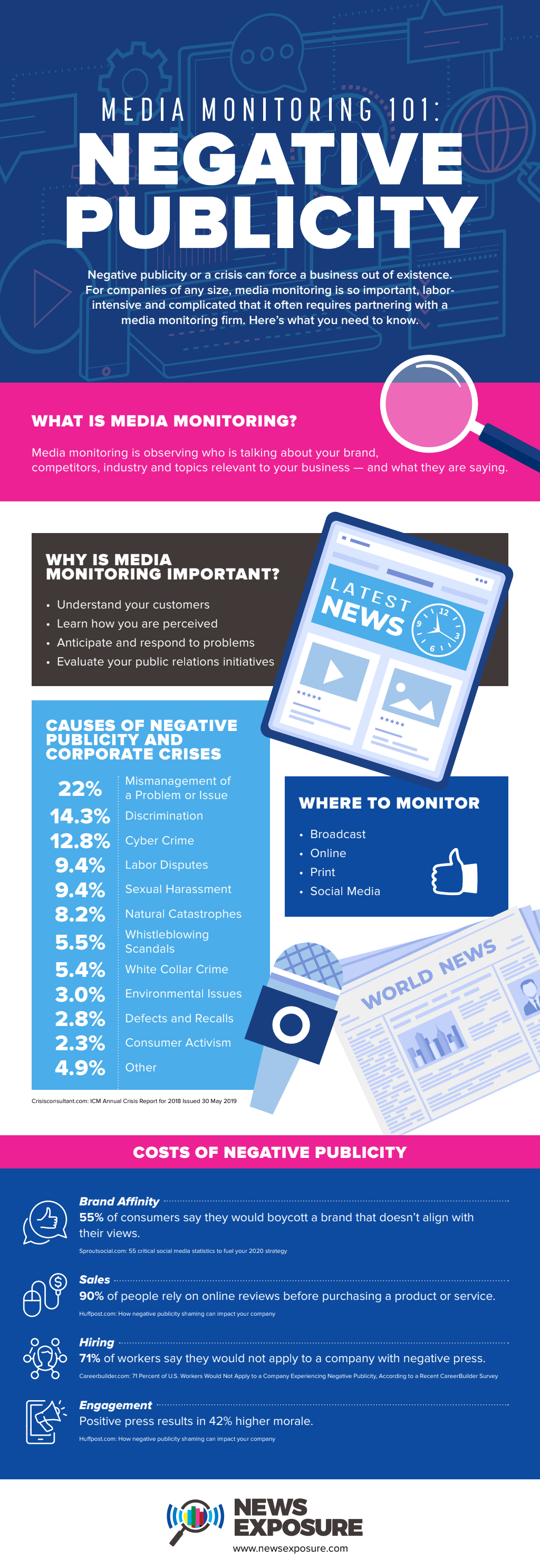
A majority of job seekers say they would avoid applying to a company facing negative press. Most consumers rely on online reviews when deciding whether to engage with a business. More than half of customers are willing to disengage from brands that do not reflect their values. At the same time, positive coverage has been linked to noticeable improvements in employee morale.
These insights point to a clear conclusion. Reputation directly influences a company’s ability to attract talent, retain employees, and sustain a healthy workplace culture. For HR leaders, waiting to respond after an issue surfaces is not enough. Ongoing monitoring allows for earlier awareness and more informed action.
Identifying the Sources of Reputational Risk
To manage risk effectively, HR teams need visibility into the issues that most often trigger negative attention. Common sources include unresolved employee complaints, discrimination or harassment claims, labor disputes, and leadership misconduct. Cybersecurity incidents that expose employee or customer data can also quickly erode trust. Environmental controversies, product recalls, and perceived missteps in diversity, equity, and inclusion efforts further add to reputational vulnerability.
These situations are rarely limited to public relations concerns. They reflect deeper organizational challenges that directly affect employees. Monitoring how these topics are discussed externally helps HR work more closely with leadership, legal, and communications teams to coordinate thoughtful and timely responses.
HR’s Role in Crisis Response and Brand Recovery
HR professionals are uniquely positioned to guide organizations through periods of negative attention. One of the most important responsibilities is internal communication. Employees often learn about public controversies in real time, and uncertainty can spread quickly. Clear, transparent messaging helps reduce anxiety and maintain trust.
HR also plays a key role in aligning actions with stated values. When a crisis highlights gaps in ethics, inclusion, or workplace practices, HR can help drive meaningful policy updates and ensure accountability. At the same time, monitoring employer review platforms and social conversations allows HR teams to identify misinformation, respond appropriately, and address concerns before they escalate.
Getting Started with Media Monitoring in HR
Implementing media monitoring does not require an extensive communications infrastructure. HR teams can begin with simple, effective steps. Setting up alerts for company and executive mentions helps track emerging coverage. Monitoring social media conversations provides insight into real-time sentiment. Regularly reviewing employer review sites offers valuable feedback on employee perception. Collaboration with marketing or public relations teams can further align internal messaging with external communication.
HR as a Steward of Brand Reputation
The role of HR has evolved well beyond internal operations. Today’s HR leaders must understand how their organization is perceived externally and how that perception influences hiring, engagement, and retention.
Media monitoring is no longer just a marketing responsibility. It is a strategic capability that supports HR’s mission to protect culture, build trust, and strengthen the employer brand. By actively listening, responding with intention, and adapting when needed, HR can help ensure the organization remains a place where people want to work, even in challenging moments.