 Entrepreneur Resources Your source for small business information

Automation has often been associated with large-scale production such as manufacturing cars or canning food, but the process goes beyond assembly lines and other industrial purposes. Laboratory automation systems can also be a viable option for enhancing your laboratory because of the following benefits:
- Precision – Properly calibrated, mini electric motors, actuation modules, and mechanical arms can perform delicate tasks with great precision.
- Consistency – Automation allows repetition of tasks with minimal (if any) variation, allowing for more consistent results.
- Efficiency – Automating time-consuming tasks takes part of laboratory work off your hands, allowing you to focus on other things.
- Safety – Automation can help reduce risks of accidents, especially when handling chemicals or performing delicate tasks.
The following are just a few examples of how your laboratory can capitalize on the various benefits of the automation process:
Consistency and Accuracy in Sample Acquisition
Processing the right amount of substance or material is essential in laboratory settings, especially in medical research where ensuring the right dosage is always important. Keeping a consistent volume per sample is quicker and easier with the help of automated pipetting systems, which feature mini electric motors and highly accurate motion control technologies to acquire and dispense liquids in precise amounts.
Better Control of Gases and Liquids
A laboratory operation may require a consistent supply of gas or liquids. Miniature pump applications are efficient, portable, and provide various motion options to control flow at low noise levels, which is crucial for delicate tasks that require as little distraction as possible.
Safer Sample Storage
Certain substances have to be carefully stored in specific amounts. This can be a challenge, especially when handling unstable or volatile liquids. For low-risk liquid handling tasks, motorized preparation workstations can be used to dispense liquids into multiple vials so they can be safely put away for later use.
Less Labor-Intensive Sample Preparation
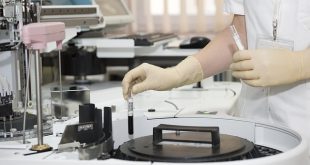
Laboratory samples may have to be subjected to constant agitation, so they may have to be placed in a centrifuge for extended periods. These devices feature energy-efficient mini electric motors that can keep running at a constant rate for hours or days on end.
Faster Data Gathering
In some cases, gathering information may require scanning hundreds, if not thousands of samples which can be time-consuming without the help of high-speed automated analyzers. By using various motion solutions, scanning components can be brought into proper position and take measurements in a matter of milliseconds. Some devices can easily scan over a thousand samples in under an hour, which means even large-scale analysis is possible.
What to Expect from Laboratory Automation
With laboratory automation, it’s possible to expand your laboratory’s capacity even without expanding the workplace. By simply performing tasks faster, automation allows you to work on more tests in a shorter amount of time. Thanks to high-precision equipment, automation also helps conserve precious samples by minimizing inconsistencies that can lead to inconclusive results.
While extensive lab automation is mostly seen in bigger laboratories, the demand for more efficient hardware is currently on the rise. As developments in manufacturing automated equipment lead to more affordable solutions, automation in even smaller laboratories may well be the norm in the near future.





I like that you have mentioned electric motors can be advantageous towards precision in the laboratory. My wife works in the academe and their motors can actually help them a lot. If only there is a Slurry Chemical Dispensing System that can help them get rid of wastes in the laboratory.
Beartiful post, thanks for sharing