Entrepreneur Resources Your source for small business information

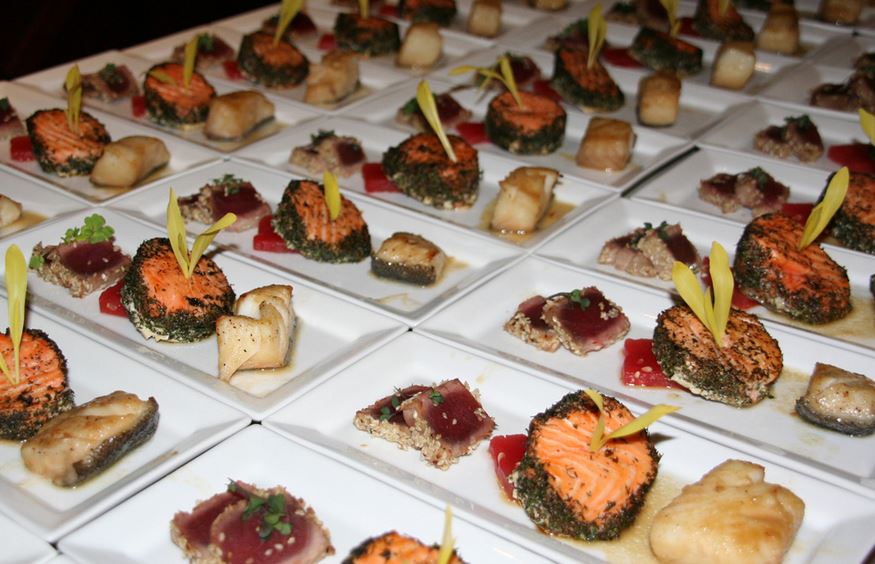
While there a lot of different factors go into making a restaurant fantastic, food is always at the top of the list. Good food is what spreads the word. Good food is what entices good reviews. Good food is what keeps customers coming back for more and more. Yes, the atmosphere is important, as is the staff, location and price. But people will always go where the food is good. But ensuring you deliver the highest quality means running an efficient kitchen, meeting the demands and meeting them well. Of course, knowing how to do this successfully, easily and cost-effectively is tricky, which is why we have assembled a few bits of advice to help you cook up a storm.
Know the limits of your menu.
The size and complexity of a menu is completely down to the efficiency in which your kitchen can deliver it. If you have an extensive and complicated menu, then you are going to need an efficient kitchen full of chefs, all of whom are willing and able to make the necessary preparations to ensure service times aren’t hectic. This means using downtime between shifts wisely. If your kitchen doesn’t have the luxury of a large brigade of chefs, than you are going to have to create a menu that is clever, by which mean concise but without being any less appealing.
It’s all about your methods.
There is a simple formula: prepare and cook in the shortest amount of time and to the highest calibre with the lowest amount of effort. That’s how to be efficient. To achieve this, there needs to be a clear-cut method and system regarding every aspect of the kitchen. Knives need to be sharp. Kitchen staff need to know how each other operate and need to be able to trust each other, which can only be taught over time. Make sure all the worktops, counters, fridges, sinks, stores and everything else are easy to access and are accessible without getting in the way of others. Use your time between services wisely too. If your chefs are fatigues then rest. If the kitchen is filthy after the lunch shift, then get out the commercial pressure washers and save yourself time. Have the most used ingredients at the front. It is all about methods, systems and routine.
You need to have a strong leader.
Commercial kitchens are loud, scary, tiring and high-pressured, which is why efficiency can be so hard to achieve. That’s why it is imperative that every kitchen has a strong leader – a strong Head Chef – someone who can supervise at the same time as lead and cook. But don’t just rely on the Head Chef; make sure the second in charge – your Sous Chef – has leadership qualities too. You will want a recognised and proactive hierarchy, with each chef possessing an authority that is respected by the others. This means they have good communication skills, they know what to take on and they know when to delegate, they can motivate and organise, mediate, inspire and make the fastest decisions, no matter the pressure.