Entrepreneur Resources Your source for small business information
Starting a business can begin with a dream of freedom and independence, or a burning desire to bring an idea or passion to life. These drives can be powerful fuel for the rollercoaster ride ahead. But business, like life, doesn’t always go to plan and there are many reasons why your vision might meet with challenges. These could be personal, related to health or relationships, or they could be a factor of world events or social trends. And of course, a commercial venture is the ultimate test of your idea, your marketing ability and financial savvy.
So alongside, the dream and the passion, it makes good sense for even the most idealistic entrepreneur to keep in the mind the practical aspects of being in business. Being prepared for the real-world challenges of running a business can help you avoid or mitigate some of the issues that can cause very real problems for some ventures.
And if problems do strike in your business, it’s important to be aware of what’s really happening and begin to address the issues as early as possible. Whilst it’s true that optimism is an essential trait for any entrepreneur or business owner, it’s vital that this is coupled with a clear-eyed understanding of finances, viability and chances of success.
There may come a point in your business journey when you need to seriously consider all your options, with calm detachment and a cool head. This can be extremely difficult for impassioned entrepreneurs, especially after pouring so much heart and soul into the venture.
So, if you know that your business needs help, one of the most sensible things you can do is seek support from a neutral party who has experience with these challenges. And as counter intuitive as it may seem, getting advice from Insolvency & Liquidation specialists could actually give your business the best possible chance of survival.
These specialists are not just the people that come in at the end of a venture to help with the process of closing a business down, they can also provide support and guidance that may save your business from reaching that point.
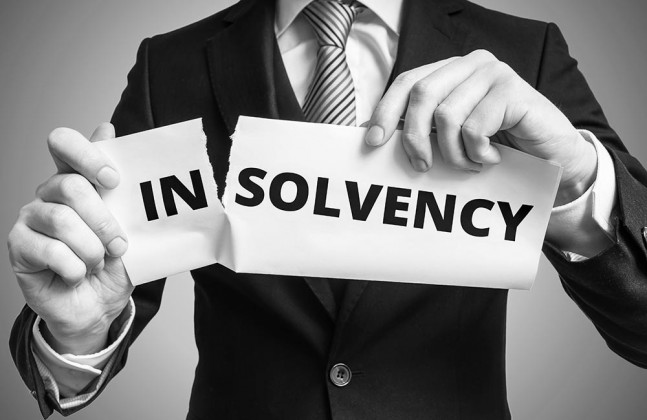
There is, understandably, a reluctance for many business owners to face their circumstances and explore the options of insolvency, administration and liquidation. But it always pays to be clear and aware of all your options, so to help you understand what these terms mean, and what’s involved in each process – as well as how to avoid them when possible, here’s a quick summary of each term:
Insolvency
Insolvency is when a business is unable to meet its financial obligations. This is a serious situation for any business, but it does not necessarily mean that closure is inevitable or imminent. Many businesses can recover from this situation – as long as they take the right steps. Seeking advice from an Insolvency Practitioner can be a wise move at this stage. These specialist accountants are experienced in the ways a business can recover its financial standing and the sooner they’re involved in the situation, the better the chance that they can help to rescue the business.
Administration
When a company goes into Administration, control of the business is handed over to the Administrator. This option provides protection from legal action but does not necessarily spell the end for the business. If assets, contracts, prospects or other potential sources may be enough to weather the short-term cashflow issues, Administration could facilitate a restructuring that enables the venture to survive and even thrive in future years.
Liquidation
Liquidation is the process of officially closing a business, distributing its assets and paying its creditors. This is obviously the least desirable solution for a business, but in some cases, it may be the best option. There are two kinds of Liquidation process. If a company voluntarily chooses this option, it is called a Creditors’ Voluntary Liquidation (CVL) and is handled differently than if a court enforces the process – known as Compulsory Liquidation. Again, employing the service of an Insolvency Practioner can help business owners understand the severity of the situation and whether the business can still be saved. They can also help to explore which options are available, which steps really are necessary, and the best ways to proceed to minimise negative consequences and provide protection for the business owner.
For example, an Insolvency Practitioner can sometimes arrange for a business to pay off its debts over a longer timeframe, eg 3 to 5 years, which may alleviate the pressure on cashflow and enable the business to rebuild its financial standing. This arrangement is known as a Company Voluntary Arrangement (CVA) and it allows the directors to retain control of the enterprise. Even though it does have repercussions on a company’s credit rating, it can still be a more cost-effective solution, as well as providing protection from legal action, as long as the required amount of creditors accept the arrangement.
Part of being in business involves navigating the many challenges and issues that come up. These may not always be pleasant, and financial difficulties can strike even the strongest businesses. But they need not spell disaster. Knowing your options and being clear on the best steps to take will give a struggling the venture the best possible chances of weathering difficult times. Seeking the right professional advice, at the right time, can help improve the odds of survival, as well as protecting the business owner and reducing both the emotional and financial implications.