Entrepreneur Resources Your source for small business information
Safety means so many different things in business terms. You have to keep your office safe in a very basic, down-to-earth sense; hazards should be avoided, and workers should be kept as healthy as possible. You have to keep the office premises safe from intruders or damage to property. In a more technical modern-day sense, you also have to keep the business’ digital information safe from attackers or accidental loss of data. If you’re wondering where to begin with regards to tackling all of these potential threats to business safety then here are some tips and tricks which might just help you out.

Employees.
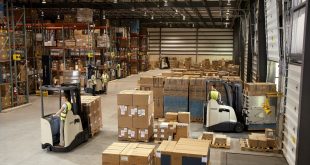
You need to think about the workers, first and foremost. Keeping employees healthy and safe in the workplace is integral to running a modern-day business rather than a grueling industrial-era factory. You have a responsibility, as an employer, to create a workplace in which workers can thrive and work as productively as possible because they’re as healthy and happy as possible. Training in how to avoid hazards is obviously integral to safety; ensure that workers know how to lift heavy equipment without injuring themselves and that they wear the correct gear for doing so.
As mentioned in one of our other articles, keeping your employees healthy comes down to basic improvements, such as allowing regular breaks for them to recover mentally and physically. Installing a pool table, a TV, and other fun things in the breakroom could give people a place to unwind with colleagues during their lunch break so as to return to their work re-energized and motivated to seize the day. You might also want to think about ergonomic keyboards and chairs so as to help employees retain good posture and avoid aches or pains distracting them from their work.
Data safety.
You don’t just have to protect the people within your business but also the information you store. You have to protect the private information you store on your employees and customers, first of all, but there’s also information regarding financial records, administrative information, products, and services that’s highly sensitive. It’s important that you train your workforce in smart technology usage. Make sure that they’re aware of potential email scams and hackers who might use their information to infiltrate the business’ system. It’s not enough to have a high-tech security system built into the computers by the IT team; your employees need to understand that they also have a responsibility to be vigilant online. Make sure they know which red flags to avoid on websites or in suspicious messages.
Of course, storing your data safely should be the priority, above all else. You could head over to https://www.iozoom.com/cloud.html and see what options they have in terms of Cloud servers. A virtual server such as this could help to provide a backup for your data with daily snapshots. It’s all about making sure you have several lines of defense in place, rather than waiting for the unexpected to happen before you act; by then, you might have already lost some of your business’ important information. It’s not just about protecting sensitive details from hackers but also protecting against the loss of data through purposeful attacks or accidents. Either way, you don’t want to lose information and details on customers, services, and financial records; it’ll be costly in every meaning of the word.
The office premises.
There’s more to secure in a workplace than the people. Talking about material things, again, you need to secure not only the data that your business stores but the hardware itself; in fact, you’ll probably need to secure all sorts of expensive and sensitive equipment around your office. That’s why it’s crucial to have a smart security plan in place for the evenings when everybody’s out of the office. Locking doors and windows is pretty basic and standard security knowledge that most homeowners and business owners will do automatically, but you should be doing a little more than that to secure your business.
An interesting tip over at https://smallbusiness.yahoo.com suggests that you also lock everything if people are working late into the night at the office; opportunistic individuals might still try to break in if it’s dark and they feel that security measures are lower. It’s also a smart idea to only let people who work at the company come into the building during the day. Burglars often scout out a building to figure out its plan before they rob it. Whatever the case, ensure you, at least, have an alarm and CCTV so that you can better catch any intruders with the help of the police, should someone get past your other lines of defense.
Finally, access is something you have to think about when it comes to securing your workplace. Certain employees at certain levels will be able to access different floors and offices, but it’s important that you shouldn’t give all employees access to all parts of the building. If a key is lost for a very important room then sensitive information is exposed and the business is put at risk, as mentioned earlier. If a key is lost then change all the locks. If an employee is fired, make sure their keys are returned and their access codes are deleted; you don’t want any disgruntled ex-workers retaining access to the building after they’ve been fired.

Separating personal and business life.
This isn’t just smart in terms of keeping employees focused, but it’s a necessary safety precaution in the modern age. We use technological devices for everything, but this becomes a threat in the workplace. As mentioned over at https://www.thebalance.com, when a worker brings their smartphone into the workplace, they’re bringing in a potential doorway to the company’s private network. It’s important that you tell employees not to connect to the business work through their phones because, as mentioned earlier, they could be used a portal to sensitive information by hackers.
Smart social media usage is important too. People need to know what they should and shouldn’t share online. At the end of the day, you need to realize that your employees are one of the most important safety risks to your company. In addition, they’re also the people you need to protect most in terms of health and safety.