Entrepreneur Resources Your source for small business information
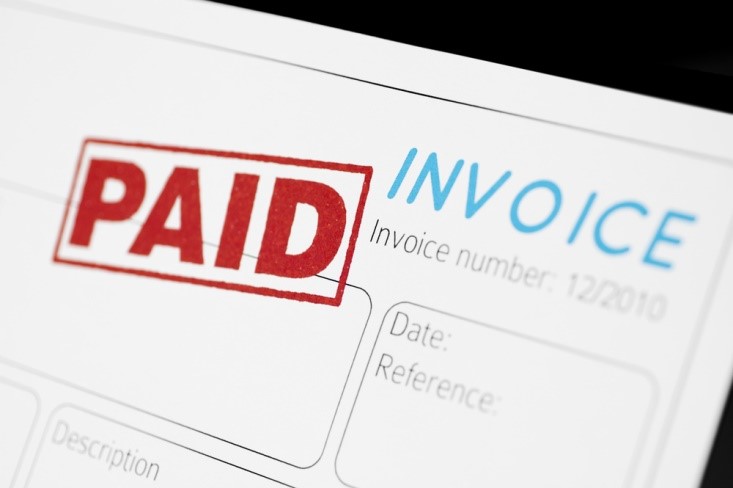
A business can live or die by cash flow. Unfortunately, cash flow problems easily arise. If your clients don’t pay on time, it will, undoubtedly, have a negative impact on your company. However, this is not something you simply need to sit back and accept. There are a number of changes you can make for more efficient invoicing. Below, we take a look at the different steps to take to improve the way you invoice, which will consequently boost your cash flow health.
- Know who is going to be paying the bill – The person you are communicating with is not necessarily going to be the person in charge of paying the invoice. Find out who this is to speed up the process.
- Chase late payments – A lot of SMEs fail to chase invoices that are overdue because they are worried about pestering the client and potentially damaging the relationship. This is a stance that your business cannot afford to take. Your client agreed to the terms you put in place, so you have every right to chase them if they have broken them. In fact, if you don’t, they will only pay late again and again.
- Provide a number of different payment options – Make it as easy as possible for your customers to pay. By accepting a number of different payment means, you make it easier for clients to settle their invoice. While BACs remain the most popular payment method between businesses, more and more people are turning to PayPal to settle their invoices. By offering this option, you encourage your customers to pay.
- Have a backup plan – You can make your invoicing process much more efficient, but there is no denying that some clients may still be troublesome. This is why it is important to have a backup plan in place. Use the services of a factoring company. They will pay you a percentage of the invoice that is owed, usually around 90%. The client will then pay them, and the lender will pay you the remaining percentage. Of course, there will be fees deducted, but this is a great way of ensuring you get your hands on some immediate money so that cash flow problems do not manifest.
- Know how your customers prefer to receive their invoices – There are now a number of different ways for you to send invoices due to multi-channel communications. You need to know whether your client would prefer to receive their invoices digitally or physically. This could significantly speed up the process.
- Terms & Conditions (T&Cs) – This is one of the most critical points. You need to ensure that your T&Cs outline your payment terms. They need to be clear and set out in writing for all customers to see. If you change your payment terms, make sure to notify all of your existing clients. Any changes will apply to future invoices; you cannot implement changes on past invoices once they have been sent.
- Standardize your invoices – Finally, make sure you choose a standardized format for all of your invoices, which includes all of the important details. Changing layouts increases the likelihood of leaving out vital information. It also looks unprofessional and is time-consuming too.