Entrepreneur Resources Your source for small business information
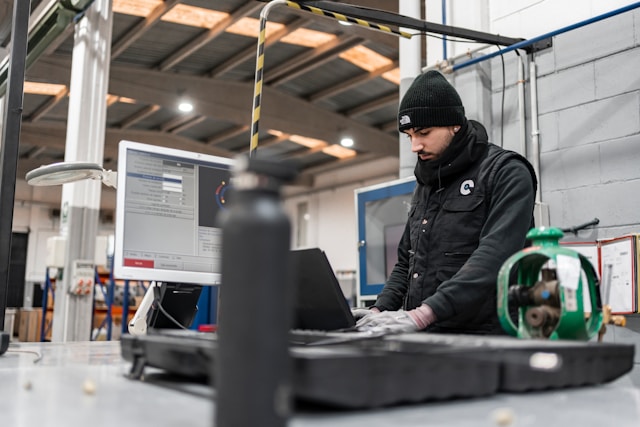
Image Credit: Unsplash
As your business grows, those manual tasks that once worked fine can quickly get in the way. What started as a simple spreadsheet for tracking orders or a paper system for managing inventory can end up slowing things down, causing mistakes, and frustrating your team. Moving to digital workflows isn’t just about getting new software; it’s about changing how work gets done to make things more efficient and help your business grow smoothly.
Mapping Your Current Processes
You need to understand your workflows before you can make them better. Start by drawing a picture of your current processes from beginning to end. This means writing down every step, every decision point, and every time work gets handed off in a task, like filling a customer order or bringing on a new employee. Don’t just look at official rules; talk to the people who actually do the work. Find out the real steps they take and any shortcuts they use. This detailed record, often called business process mapping, is the base for any successful digital change. It gives you a clear map of what’s happening now, making it easier to spot ways to improve later.
Identifying Bottlenecks and Inefficiencies
Once you have your process maps, you can start looking for weak spots. See where work piles up, where information is typed into different systems more than once, or where waiting for approvals causes long delays. These are your bottlenecks. You’ll often see things like repeated tasks, too much paperwork, and not knowing where a process stands. For example, if your sales team has to email the finance department every time they need an invoice, that’s inefficient. The goal is to find these problem areas because they offer the best chances for boosting productivity and efficiency by going digital.
Integrating Smart Manufacturing Marking Solutions
Digital workflows can go beyond the office and right onto the factory floor. For businesses that make things or handle shipping, connecting digital systems with physical tasks is crucial. Imagine a system where a new order in your online store automatically tells your production line what to do. This connection can trigger automated systems to pick, pack, and get an item ready for shipping. Part of this might involve using smart manufacturing marking solutions that automate product identification, serialization, and traceability by printing unique IDs, batch codes, or QR codes directly onto products or packaging. This creates a smooth link between the digital record and the actual item, making it easier to track things and cutting down on manual data entry errors.
Measuring Workflow Improvements
Putting a new digital workflow in place isn’t the end. To make sure your changes are working, you need to measure their effect. Set up key performance indicators (KPIs) before you make the switch. These could be things like how long it takes to fulfill an order, how many errors happen, how much you produce, or how happy customers are. Comparing the “before” and “after” numbers helps you see the benefits of your new digital process. This data is super helpful for showing stakeholders the return on investment and for finding areas where the new workflow might need some adjustments. Checking things regularly helps make sure the new system keeps meeting your business goals.
Future-Proofing Your Operations
The business world is always changing, so your workflows need to be able to change, too. When you design your digital processes, pick solutions that can grow and be flexible. Cloud-based platforms and software that work well with other apps are often a good choice. They let you add more users, handle more work, or connect new tools as your business expands. Encourage your team to always look for ways to improve, giving them the power to suggest new ideas. By making adaptability a core part of how you operate, you’re not just fixing today’s problems; you’re getting your business ready to do well in the future.
Your digital workflows should grow with your company. Regularly looking at your processes and checking out new technologies will keep your operations lean, efficient, and ready for whatever comes next.