Entrepreneur Resources Your source for small business information

Has your business been suffering from product and materials shortages due to the pandemic? Even if it hasn’t, it’s time to build some resilience into your supply chain. Supply chain resiliency can protect your business from the negative effects of supply chain disruptions.
And, if you stay in business long enough, there will be disruptions. Prior to the COVID-19 pandemic, global supply chains experienced disruptions due to the 2011 earthquake and tsunami in Japan, for example. Extreme weather events, political unrest, and changes in international trade policy can all cause supply chain disruptions. But when you build your supply chain to be more resilient, you can weather disruptions without compromising customer service. Here’s how.
Add Some Wiggle Room in Your Inventory
Just-in-time supply chain design has been the industry standard for decades, with logistics professionals and executives alike preferring it for its cost efficiency. But while just-in-time shipping might be the cheapest option because it allows logistics professionals to pay for just the bare minimum of what they need, it’s not the most resilient option. Under a just-in-time model, if there’s a shortage of a particular supply, part, or material, you simply don’t get it – and that can leave you with products that can’t be completed, orders that can’t be filled, and unhappy customers. In the opening days of the COVID-19 pandemic, just-in-time supply chains led to widespread product shortages as manufacturers struggled to find the materials and supplies they needed. Even now, shortages continue in some sectors.
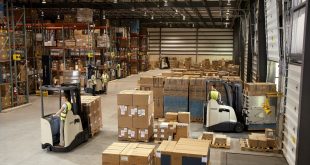
To build some wiggle room into your supply chain, lay in stock an inventory buffer of the essential supplies and materials you need to fulfill your orders. It will cost a little more than buying just what you need as you need it, but it could mean the difference between continuing operations or coming to a screeching halt when shortages arise – as they are expected to continue doing for at least the next year.
Source from Multiple Suppliers
Another way to hedge against shortages is to source your essential products and materials from multiple suppliers. For example, many companies that sourced all of their materials and supplies from China prior to the current U.S.-China trade war have now branched out into sourcing materials from other countries, like Japan or Mexico. If you have multiple suppliers for a material, then when one supplier runs out, you can still turn to your other suppliers.
Bring Sources Back Onshore

One reason why things like extreme weather and political unrest can so drastically affect the supply chain is because today’s supply chains stretch across the globe. But a shorter supply chain that doesn’t range as far from home will be less vulnerable to geopolitical events, be they massive storms or civil wars.
If you adjust your supply chain so that supplies are coming from local suppliers, you won’t have to worry so much about how happenings in lands far away can affect your supply chain (of course, you’ll have to make sure that your new local supplier isn’t getting raw materials from a distant land). Your business will also benefit from supporting the local economy, because a commitment to sourcing locally is just the kind of thing that will appeal to a consumer base that’s increasingly concerned about supporting small businesses and keeping their money in their communities.
Digitize Your Processes
Manual processes don’t allow you to easily harvest the granular data you need to assess your supply chain’s functionality and nip issues in the bud as they begin to arise. With a digital supply chain resiliency tool like the one from Coupa (available at https://www.coupa.com/solutions/supply-chain-resiliency), you can connect with suppliers and get real-time data about what’s coming (or not coming) down the supply chain, and even information about what’s happening to your products and materials as they move through production and towards distribution.
You can use this data to make changes that will streamline your supply chain, improving efficiency without sacrificing resilience. For example, you can collect data on shipping routes for products – how long they are, how long it takes your drivers to traverse them, and whether there are shorter or safer options for shipping your products to market. The savings could offset the cost of other measures intended to build resilience into your supply chain.
If there’s one thing we all learned from 2020, it’s that supply chains as we’ve known them simply aren’t resilient enough. Spend the time and money to build some resilience into your company’s supply chain, so that you can continue providing the service your customers have come to expect, no matter what happens.